

27
AugustThe 10 Scariest Things About Floor Robot
Understanding Floor Robots: The Future of Home Cleaning
Over the last few years, technological improvements have significantly changed the landscape of home cleaning. Among the most notable developments is the floor robot, a gadget that has rapidly acquired popularity for its benefit and performance. This short article aims to explore the various aspects of floor robots, their functionality, advantages, popular models, and some regularly asked questions to help consumers make informed choices.
What is a Floor Robot?
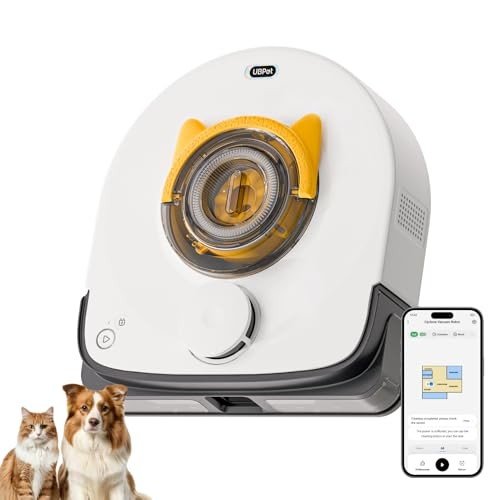
A floor robot, frequently described as a robotic vacuum, is an automated device designed to browse floorings and remove dirt, dust, and debris. Unlike standard vacuum, floor robots run autonomously, using a hassle-free cleaning experience. These smart machines make use of sensing units, mapping innovations, and advanced algorithms to clean different surfaces, consisting of hardwood, tile, and carpet.
How Do Floor Robots Work?
Floor robots run through a mix of hardware and software elements. Here are the key functions that enable their performance:
1. Sensors
- Challenge Detection: Floor robots have integrated sensing units that assist them identify obstacles, enabling them to navigate around furniture and avoid falls.
- Cliff Sensors: These avoid the robot from dropping stairs or ledges by acknowledging changes in elevation.
2. Navigation and Mapping
- Visual Mapping: Some sophisticated models use cams and laser innovation to produce in-depth maps of the cleaning area.
- Simultaneous Localization and Mapping (SLAM): This technique assists the robot track its location and successfully prepare its cleaning path.
3. Cleaning Mechanisms
- Suction Power: Most robotic vacuums use a suction system to catch dirt and dust, which is then stored in an onboard dustbin.
- Brushing Systems: Many models come equipped with turning brushes or mops for enhanced cleaning capabilities, especially on carpets or difficult surface areas.
4. Smart Features
- Connectivity: Many floor robots support Wi-Fi connection, permitting users to control them via smart device apps or smart home systems.
- Scheduling: Users can schedule cleaning times, guaranteeing their homes are tidy even when they're not there.
5. Autonomous Charging
- Self-Docking: Most robots immediately go back to their charging station once their battery runs low, guaranteeing they're constantly all set to tidy.
Benefits of Using a Floor Robot
The adoption of floor robots comes with various advantages that make them attracting users:
1. Convenience
Floor robots can clean while users take care of other jobs, enabling for multitasking and time-saving.
2. Increased Efficiency
Robotic vacuums frequently cover more ground in less time compared to traditional approaches, thanks to their organized cleaning patterns.
3. Consistent Cleaning Routine
Users can schedule routine cleanings, guaranteeing that their homes remain clean without needing day-to-day intervention.
4. Ease of access
Robotic vacuums can quickly access hard-to-reach areas, such as under furnishings or in tight areas.
5. Advanced Features
Many models come equipped with functions like voice control and app combination, boosting usability and ease of access.
Popular Floor Robots
When thinking about a floor robot, various brands and designs deal with different requirements and budgets. Here's a short summary of some leading choices:
| Brand | Model | Secret Features | Price Range |
|---|---|---|---|
| iRobot | Roomba i7+ | Smart mapping, self-emptying dock | ₤ 600 - ₤ 800 |
| Roborock | Roborock S7 | Sonic mopping, challenge avoidance | ₤ 500 - ₤ 700 |
| Neato | Neato D7 | D-shape style, advanced suction | ₤ 600 - ₤ 800 |
| Ecovacs | Ecovacs Deebot T8 | Mopping function, advanced mapping | ₤ 600 - ₤ 800 |
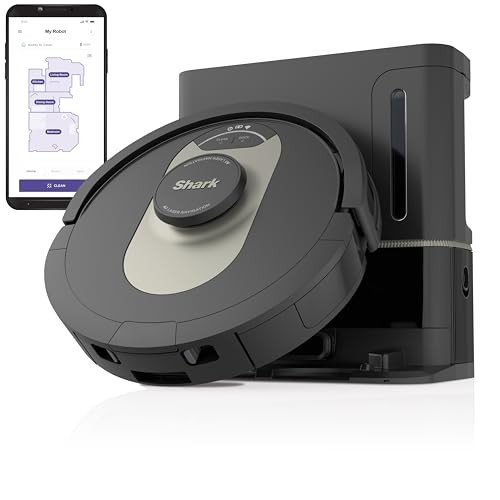
| Shark | Shark IQ Robot | Self-emptying base, home mapping | ₤ 400 - ₤ 600 |
(Note: Prices may vary based upon merchants and continuous promotions.)
Regularly Asked Questions (FAQs)
1. Are floor robots effective on carpets?
Yes, many modern-day floor robots are created to clean different surfaces, consisting of carpets. Models with strong suction and turning brushes are especially efficient at getting animal hair and ground-in dirt.
2. How frequently should I run my floor robot?
This depends on your family's requirements. For homes with animals or high foot traffic, everyday or every other day cleaning might be helpful. For quieter homes, running the robot once a week may be adequate.
3. Can I manage my floor robot remotely?
Many floor robots include smart device apps that permit users to manage their gadgets remotely, schedule cleanings, and screen efficiency.
4. Do I need to clear the dustbin often?
A lot of robots require regular emptying of the dustbin, particularly in homes with pets or heavy soil. Nevertheless, some models provide self-emptying capabilities, which lessen user involvement.
5. Are floor robots appropriate for all types of floor covering?
The majority of floor robots are reliable on various surface areas, including hardwood, tile, and low-pile carpets. However, some may perform much better on specific surface areas, so it's important to select a design suited to your home's requirements.
As households continue to accept innovation, floor robots have become important cleaning buddies, offering convenience, effectiveness, and advanced functions. Comprehending their performances, benefits, and available models enables consumers to select the best floor robot to fulfill their specific cleaning requirements. By purchasing this ingenious technology, house owners can ensure their living areas remain tidy and comfortable with very little effort.
Reviews