

27
AugustThe 12 Best Integrated Ovens And Hobs Accounts To Follow On Twitter
The Rise of Integrated Ovens and Hobs: A Comprehensive Guide
In modern-day kitchens, space optimization and visual appeal are critical. Integrated Ovens hobs and hobs have promptly risen to prominence, combining technology, performance, and style into one smooth cooking experience. This article explores the functions, benefits, and factors to consider of integrated ovens and hobs, in addition to frequently asked questions about these vital kitchen devices.
What are Integrated Ovens and Hobs?
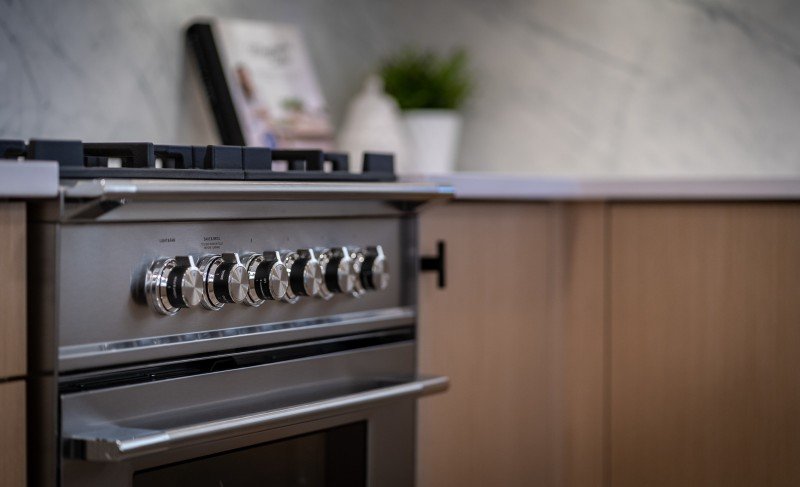
Integrated ovens and hobs describe kitchen home appliances that are designed to blend into kitchen cabinetry while providing a multitude of cooking functions. Unlike freestanding models, these integrated systems are generally set up within kitchen cabinets, enabling a smooth and orderly appearance.
Kinds Of Integrated Ovens
- Single Ovens: These flexible ovens are perfect for smaller kitchen areas or for those who prepare in smaller sized batches.
- Double Ovens: Perfect for larger families or passionate cooks, double ovens provide extra cooking space and flexibility, enabling numerous meals to be cooked all at once.
- Steam Ovens: For health-conscious customers, steam ovens offer a much healthier cooking method that keeps nutrients in food.
- Microwave Ovens: Often developed as integrated systems, microwave ovens are ideal for quick cooking and reheating jobs.
Types of Integrated Hobs
- Induction Hobs: These hobs utilize electromagnetic energy to prepare food efficiently and quickly. They are applauded for their security functions and exact temperature level control.
- Gas Hobs: Offering conventional cooking techniques, gas hobs offer immediate heat and are preferred by many expert chefs.
- Ceramic Hobs: These hobs use smooth surfaces that are easy to tidy and keep. They provide an efficient heating method however might take longer than gas or induction.
Benefits of Integrated Ovens and Hobs
Incorporating ovens and hobs into kitchen cabinetry comes with numerous benefits, making them an appealing option for home design and cooking enthusiasts alike.
Aesthetic Appeal
- Streamlined Design: Integrated models provide a unified appearance that improves the total visual of the kitchen.
- Individualized Layout: Homeowners can create their kitchen without large home appliances disrupting the flow.
Space Optimization
- Effective Use of Kitchen Space: By flawlessly fitting into cabinets, integrated systems supply more usable office.
- Removal of Clutter: Integrated units lower visual mess, developing a more orderly environment.
Boosted Functionality
- Advanced Features: Many integrated ovens and hobs included cutting-edge technology such as smart controls, exact temperature level settings, and several cooking functions.
- Custom-made Cooking Experience: Users can customize their cooking experience with varying cooking techniques, like convection, baking, or grilling.
Increased Home Value
- Modern Appeal: A well-designed kitchen with integrated devices can significantly enhance a home's resale value, making it more attractive to potential buyers.
Considerations When Choosing Integrated Ovens and Hobs
While integrated ovens and hobs offer various advantages, there are a number of elements to think about when choosing the best model for your kitchen.
Kitchen Space and Layout
- Size: Ensure that the integrated oven and hob fit the existing cabinetry and kitchen design.
- Ventilation: Proper ventilation is important, specifically for gas hobs. Make sure that the kitchen is effectively aerated to alleviate cooking odors and excess heat.
Setup Requirements
- Expert Installation: Integrated units might need professional installation to guarantee they fit and function correctly.
- Plumbing Needs: Some steam ovens might require water connections, which must be planned for throughout setup.
Budget
- Cost Variance: Integrated ovens and hobs can range in cost depending upon brand, functions, and setup expenses.
- Long-Term Savings: While the initial financial investment might be greater, consider prospective energy savings and toughness in time.
Brand and Features
- Reputation: Research credible brand names understood for dependability and customer support.
- Features: Look for functions that align with cooking preferences, such as self-cleaning options, Wi-Fi connectivity, and diverse cooking modes.
Contrast of Integrated Ovens and Hobs
| Function | Integrated Ovens | Integrated Hobs |
|---|---|---|
| Style | Seamless built into kitchen cabinetry | Flush with countertops |
| Cooking Type | Convection, steam, microwave | Gas, induction, electric |
| Cleaning | Self-cleaning alternatives readily available | Easy-to-clean surface areas |
| Energy Efficiency | Generally energy-efficient | Varies by type (induction is best) |
| Installation | Requires expert help | May need special venting (for gas) |
Frequently Asked Questions (FAQs)
1. What is the primary advantage of an integrated oven over a freestanding one?
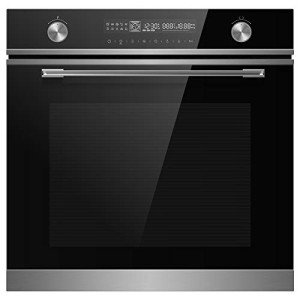
Integrated ovens provide a cleaner, more streamlined appearance while optimizing kitchen space.
2. Are integrated hobs easy to set up?
A lot of integrated hobs require professional installation, particularly gas systems, due to safety standards.
3. Can I put an integrated oven throughout my kitchen?
Integrated ovens need to be placed within appropriate cabinets designed for their size and ventilation requirements.
4. Do integrated ovens and hobs require special maintenance?
Routine cleaning and checks of seals and functions are necessary to keep efficiency, however they do not need special upkeep beyond standard device care.
5. How do I pick in between gas and induction hobs?
It depends on personal preference, cooking routines, and budget. Induction is quicker and safer, while gas offers instant heat and more control.
Integrated ovens and hobs are an important function in modern kitchen design, supplying both visual appeal and important performance. By thinking about the advantages, layout, setup requirements, and brand track record, homeowners can make informed choices that enhance their cooking experiences. As kitchen trends continue to progress, integrated devices will likely remain at the leading edge, creating spaces that are both beautiful and useful.
Reviews