

15
AugustWindow Repairs 101 The Ultimate Guide For Beginners
Door and Window Repairs: A Comprehensive Guide
When it pertains to maintaining a home, few jobs are more important than making sure that doors and windows remain in good repair. They function as the main entry points for natural light, ventilation, and security, making their performance necessary for any home. This short article aims to supply an informative introduction of door and window repairs, using insights into common issues, repair double glazed windows techniques, and maintenance suggestions that property owners can utilize to keep their homes safe and energy-efficient.
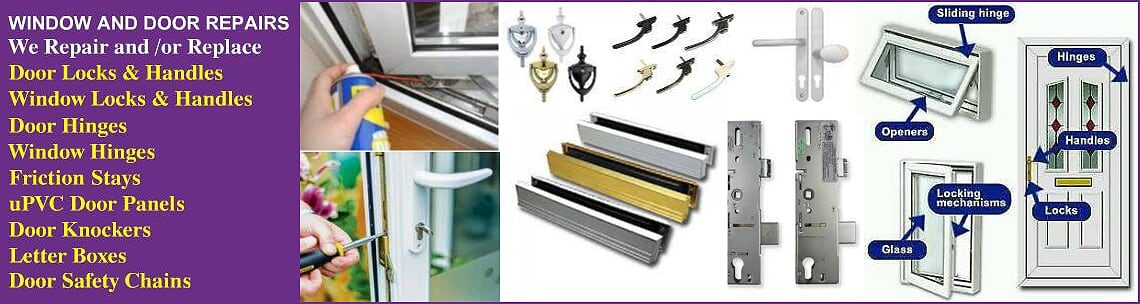
Common Issues with Doors and Windows
Understanding the typical issues that house owners deal with is the primary step toward efficient repairs. Here are some frequent problems:
Doors
- Misalignment: A door that does not hang correctly might not close or lock successfully.
- Contorting: Wooden doors can warp due to humidity, causing gaps or problems in closing.
- Fractures: Physical damage from extreme weather or impact can lead to fractures in a door's surface area.
- Broken hardware: Hinges, locks, and manages might break with time or become harmed.
Windows
- Drafts: Air leakages can happen due to worn seals or moving frames, resulting in energy inadequacy.
- Cloudy Glass: This is typically the outcome of condensation in between double-glazed panes.
- Missing or Damaged Caulking: Weatherproofing can break, permitting water and air seepage.
- Faulty Locks: Locks may break or end up being loose, compromising security.
Necessary Tools for DIY Repairs
For property owners who prefer to tackle repairs themselves, having the right tools is essential. Here's a list of essential tools needed for door and window repairs:
- Screwdrivers: Phillips and flat-head ranges for installing and removing hardware.
- Hammer: Useful for driving in nails or changing misaligned doors.
- Lever: Helps in removing frames when necessary.
- Level: Ensures that doors and windows are installed appropriately without misalignment.
- Utility Knife: For cutting caulking or trimming products.
- Chisel: For adjusting door frames or hardware fittings.
- Measuring tape: Essential for accurate measurements.
- Caulking Gun: Necessary for using new weatherproofing products.
Step-by-Step Repair Techniques
Repairing a Misaligned Door
- Determine the Issue: Check the alignment by closing the door and searching for gaps.
- Change the Hinges: Tighten or loosen up hinge screws to move the door into the wanted position.
- Evaluate the Fit: Close the door to see if the adjustments repaired the problem. Repeat if essential.
Repairing a Drafty Window
- Inspect the Seals: Look for gaps around the window frame.
- Eliminate Old Caulk: Use an utility knife to remove harmed caulk.
- Clean the Surface: Wipe away debris to ensure a strong bond.
- Apply New Caulking: Use a caulking gun to fill out gaps uniformly.
- Test for Drafts: Check for any remaining air leakage by feeling for drafts with your hands.
Attending To Cloudy Double-Glazed Windows
- Examine the Damage: Determine if the window can be repaired or if it needs changing.
- Contact Professionals: If the condensation suggests a broken seal, speak with a window specialist for replacement.
Preventive Maintenance Tips
Preventive maintenance can conserve property owners money and time on repairs. Here are some methods to keep doors and windows in top condition:
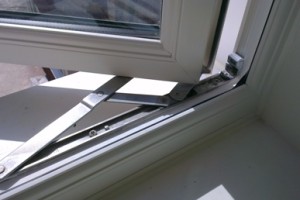
- Regular inspections: Check for signs of wear and damage a minimum of two times a year.
- Clean surface areas: Regularly clean windows and door frames to prevent accumulation of dirt and grime.
- Replace weather condition removing: Annually inspect and change any weather stripping that shows signs of wear.
- Lubricate Hardware: Periodically lubricate hinges and locks to ensure smooth operation.
- Paint or seal wood: Protect wooden windows and doors by applying paint or sealant as required.
When to Seek Professional Help
While many house owners can carry out small repairs themselves, particular scenarios are best attended to by specialists. Situations might include:
- Extensive damage needing replacement of entire doors or windows.
- Complex problems involving structural integrity.
- Repairs that involve electrical parts, such as automated door systems.
- Absence of time or experience in undertaking repairs.
Windows and door repairs are essential for preserving a home. By comprehending common problems, having the right tools, and using effective repair techniques, property owners can enhance the durability and effectiveness of their windows and doors. While small fixes can typically be accomplished independently, knowing when to hire an expert can save house owners from additional complications down the line. Through routine maintenance and timely repairs, the performance and aesthetic appeals of windows and doors can be preserved, contributing to a comfy and secure living environment.
FAQs
1. How often should I inspect my doors and windows?It is recommended to check your doors and windows a minimum of twice a year, ideally during the spring and fall seasons. 2. Can I repair a warped door myself?In some cases,
you can repair a deformed door by changing the hinges or utilizing heat to reshape it. Nevertheless, considerable warping might need expert intervention. 3. How do I understand if my window needs replacing?If you observe extensive fogging in between panes
, persistent drafts in spite of sealing efforts, or considerable physical damage, it might be time to change the window. 4. What type of caulk is best for window repairs?Silicone-based caulk is usually chosen for windows due to its flexibility and resilience, particularly in
outside applications. 5. Is it worth replacing a broken lock myself?Replacing a broken lock is typically a simple job. Nevertheless, if you're unpredictable about the security it provides, consider hiring a locksmith for
best outcomes. By keeping your windows and doors in optimum condition, you can secure your home and boost its total worth and livability.
Reviews