

18
JulyDoor Handle Restoration Tips To Relax Your Everyday Lifethe Only Door Handle Restoration Technique Every Person Needs To Learn
Door Handle Restoration: Reviving Your Home's Hardware
Door handles are one of the most often used components in a home. Regardless of their little size, they play a significant role in the total looks and functionality of our home. With time, wear and tear can diminish their appearance, resulting in the question: should we change them or restore them? This short article checks out the art of door handle restoration, consisting of strategies, tools, and tips for maintaining this necessary hardware.
The Importance of Door Handle Restoration
Bring back door handles comes with several advantages:
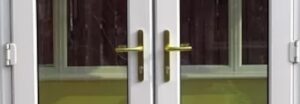
Preservation of Character: Vintage or unique handles can include appeal and character to a home. Restoration can maintain these appealing functions while likewise making them practical.
Economical: Purchasing antique or high-quality door handles can be expensive. Restoration offers a more affordable alternative to keep these fixtures without the hefty price.
Sustainability: In an age significantly interested in environmental impact, restoring instead of changing can be a more sustainable choice.
Increased Home Value: Well-maintained, appealing door handles can enhance your home's curb appeal and total market price.
Individual Satisfaction: There is a satisfying sense of accomplishment that originates from restoring and maintaining your home's hardware.
Understanding Types of Door Handles
Before diving into restoration methods, it's vital to understand the various types of door handles available, as their materials will affect the restoration procedure:
Lever Handles: Common in modern homes, these handles are operated with a lever that either turns or presses down.
Knobs: Classic in design, knobs can be found on both interior and exterior doors.
Pull Handles: Typically used on moving doors or as ornamental elements on cabinets, these handles can be made from numerous materials.
Mortise Handles: Often found in older homes, these handles need a mortise (a pocket cut into the door) for installation.
Each kind of handle might need particular restoration methods tailored to its product and practical design.
Restoration Techniques
The restoration procedure can differ based upon the handle's product. Below are some popular products and their matching strategies:
1. Metal Handles
- Cleaning up: Use a soft cloth moistened with soapy water to eliminate dirt and grime. For stained metal, a mixture of vinegar and baking soda can be effective.
- Polishing: For brass or chrome handles, utilize metal polish to restore shine. Buff with a soft cloth for an appealing finish.
- Rust Removal: For rusty iron handles, sand the rust off using fine-grit sandpaper, followed by a coat of rust-inhibiting paint.
2. Wood Handles
- Sanding: Begin by sanding down rough locations, followed by finer grit to smooth the surface.
- Staining: Apply a wood stain to boost the door handle's color. Wipe away excess to avoid irregular coloration.
- Sealing: Use a wood sealant or varnish to protect the handle from future wear and damage.
3. Plastic Handles
- Cleaning: Use warm, soapy water and a soft cloth. Prevent abrasive cleaners that can scratch plastic surfaces.
- Buffing: For scratches, a plastic polish can help bring back clearness and shine.
Tools and Supplies Needed for Restoration
To successfully bring back door handles, one should gather the following tools and products:
- Cleaning Rags: Soft cloths for cleansing and polishing.
- Screws and Screwdrivers: For disassembly and reassembly of handles.
- Sandpaper: For smoothing wooden handles.
- Metal Polish: For restoring metal handles.
- Wood Stain and Sealer: For dealt with wooden handles.
- Vinegar and Baking Soda: For eco-friendly cleaning and polishing.
- Rust Inhibiting Paint: For metal handles that experience rust.
Step-by-Step Guide to Restoring Door Handles
Action 1: Remove Handles
Begin by eliminating the door handles. Use a screwdriver to take off any screws protecting the handle in location.
Action 2: Clean Thoroughly
Select an ideal cleansing technique based upon the handle product. Guarantee to eliminate all dirt, grease, and residue.
Step 3: Assess Damage
After cleaning, examine each handle for any damage, consisting of rust on metal or cracks in wood. Identify the suitable restoration strategy required based on this evaluation.
Step 4: Restore
Follow the strategies detailed above based on the product type. Make sure to apply any stains or polishes equally.
Step 5: Reassemble and Install
As soon as brought back, carefully reassemble your door handles. Ensure that all screws are tight and functional.
Action 6: Maintenance
Finally, keep your handles by frequently cleaning and cleaning them, which can prolong their life and visual appeal.
Frequently Asked Questions (FAQs)
Q1: How much does it cost to bring back door handles?
The cost can vary significantly depending upon the technique and products used. DIY restoration is generally more economical compared to acquiring brand-new handles, particularly for antique or special pieces.
Q2: Can all door handles be restored?
The majority of door handles can be restored unless they are seriously harmed beyond repair. In such cases, looking for a professional viewpoint is suggested.
Q3: How long does restoration take?
The time needed for restoration mostly depends upon the intricacy of the job. Easy cleansing might take an hour, while more extensive repairs might take numerous hours or perhaps days.
Q4: Is it difficult to bring back door handles?
The difficulty level can range from easy to moderate, depending upon the abilities required. Fundamental cleansing and polishing can be done by anybody, while complex repairs may require more experience.
Q5: How frequently should I restore my door handles?
This will depend on use and direct exposure to elements. Routine checks every couple of years can assist determine if a restoration is due.
Door handle restoration can be a gratifying venture, not simply for the visual advantages it brings but likewise for the sustainability and cost-effectiveness it provides. With the right tools, methods, and a little bit of patience, property owners can effectively revive their hardware, protecting the special character of their home for several years to come. Whether you are a skilled DIYer or a newbie aiming to dip your toes into home restoration, rejuvenating your door handles is an exceptional starting point.
Reviews