

10
JuneGuide To Builtin Ovens: The Intermediate Guide For Builtin Ovens
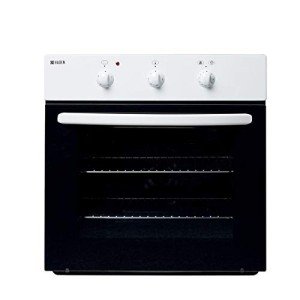
The Rise of Built-in Ovens: Enhancing Modern Kitchens
In the ever-evolving world of home improvement, built-in ovens have actually become a staple in modern kitchen style. These appliances not just use a smooth and seamless visual but likewise contribute substantially to the performance and efficiency of home cooking. This post explores the various elements of built-in ovens, including their benefits, types, installation considerations, and upkeep, along with often asked questions to provide a thorough summary.
What is a Built-in Oven?
A built-in oven is an appliance developed to be installed into kitchen cabinets, providing it a streamlined look and freeing up counter area. Unlike conventional freestanding ovens, which stand alone and are often bulky, built-in ovens fit flush with cabinets for a more integrated appearance. They are readily available in different sizes, styles, and features, catering to a large range of cooking needs and kitchen styles.
Benefits of Built-in Ovens
Built-in ovens come with various benefits that make them appealing to property owners. Below are some of the essential benefits:
- Space Efficiency: Built-in builtin ovens (https://gitea.sltapp.cn) conserve counter space while enhancing kitchen designs.
- Customizable Design: They can be integrated into cabinets, enabling homeowners to personalize visual appeals according to individual taste.
- Boosted Performance: Many built-in ovens come geared up with sophisticated cooking technologies, enabling for much better heat distribution and faster cooking times.
- Accessibility: Their setup at eye level makes it much easier to examine food without flexing down, supplying greater benefit and security.
- Resale Value: A modern-day, well-designed kitchen can boost property worth, making built-in ovens an investment worth considering.
Kinds Of Built-in Ovens
Built-in ovens can be categorized based upon their design and function. The following list describes the typical types of built-in ovens readily available on the market:
- Single Ovens: A basic model that includes one cooking compartment.
- Double Ovens: These come with two separate compartments, which permit cooking several dishes at various temperatures.
- Wall Ovens: Installed into the wall for a space-saving solution, these ovens use convenience and availability and can be either single or double.
- Steam Ovens: These use steam for wet cooking and are frequently preferred for healthier meal preparation.
- Convection Ovens: Designed with a fan that circulates hot air, making sure even cooking and browning.
| Type | Description | Ideal For |
|---|---|---|
| Single Oven | One cooking compartment for standard baking and roasting. | Small homes and kitchen areas. |
| Double Oven | Two compartments for simultaneous cooking of different meals. | Large households with diverse menus. |
| Wall Oven | Built into the wall for simple access. | Space-conscious kitchens. |
| Steam Oven | Cooks utilizing steam for healthier options. | Health-conscious individuals. |
| Convection Oven | Flows hot air for even cooking and much faster outcomes. | Baking lovers and chefs. |
Setup Considerations
Choosing to install a built-in oven includes a number of factors to consider to make sure that it fits effortlessly within the kitchen. Essential factors consist of:
- Cabinet Dimensions: Accurate measurement of the cabinet space required for the oven is critical for a proper fit.
- Power Supply: Built-in ovens generally require a devoted power supply; seeking advice from a certified electrical expert might be essential.
- Ventilation: Ensure that the oven's ventilation requirements are fulfilled to promote safe operation.
- Regional Building Codes: Compliance with local codes is vital when installing any kitchen device.
It's highly recommended that setup be performed by experts to guarantee safety and adherence to maker specifications.
Maintenance of Built-in Ovens
Keeping built-in ovens is vital to guarantee their longevity and operation. Below are some tips for efficient upkeep:
- Regular Cleaning: Wipe down surfaces after each use to prevent build-up; consider self-cleaning choices if readily available.
- Check Seals: Inspect the oven door seals regularly for wear and tear to keep effectiveness and prevent heat loss.
- Calibrate Temperature: Occasionally check and adjust oven temperature settings if cooking results are inconsistent.
- Expert Servicing: Schedule routine upkeep with qualified service technicians for electrical parts and deeper cleaning.
Often Asked Questions (FAQs)
Q1: How do I pick the ideal size built-in oven for my kitchen?
A1: Measure the available cabinet area and think about the cooking routines of your household. Single or double ovens prevail options based on meal preparation needs.
Q2: Are built-in ovens more energy-efficient than freestanding ones?
A2: Built-in ovens can be more energy-efficient due to better insulation and advanced cooking technology; nevertheless, actual efficiency depends on the particular model and usage.
Q3: Can built-in ovens be set up throughout the kitchen?
A3: Built-in ovens require specific cabinetry and might need a devoted source of power, so preparing their positioning thoroughly within the kitchen layout is essential.
Q4: What kind of maintenance do built-in ovens need?
A4: Regular cleaning, inspecting door seals, adjusting temperature levels, and expert maintenance as required are all elements of appropriate maintenance.
Built-in ovens are a remarkable addition to modern kitchens, providing both aesthetic and practical advantages. Their space-saving design, customizable alternatives, and advanced functions accommodate diverse cooking needs. When considering a built-in oven, property owners ought to take into consideration their specific cooking preferences, kitchen layout, and upkeep abilities. By doing so, they would be making an important financial investment in their home, increasing both functionality and design.
Reviews