

13
JulyThe 10 Most Scariest Things About Medical Walker
Understanding Medical Walkers: A Comprehensive Guide
Medical walkers serve as important mobility aids for people recovering from surgical treatment, handling persistent diseases, or handling age-related mobility issues. These devices not only improve physical independence but also enhance safety, allowing users to navigate their environments with greater ease. This post explores the types, benefits, functions, and factors to consider connected with medical walkers, together with some often asked questions.
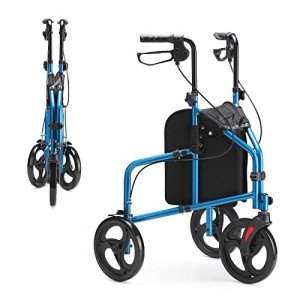
Table of Contents
- Kinds Of Medical Walkers
- Benefits of Using a Medical Walker
- Key Features to Consider
- Regularly Asked Questions
- Conclusion
1. Kinds Of Medical Walkers
Medical walkers are available in different styles, accommodating different needs and choices. The primary types include:
| Type of Walker | Description |
|---|---|
| Requirement Walker | A rectangular frame with 4 legs, using stability and support. |
| Two-Wheeled Walker | Similar to a basic walker but geared up with wheels at the front for easier movement. |
| Three-Wheeled Walker | A lightweight walker with three wheels, enabling for more maneuverability, suitable for indoor use. |
| Rollator Walker | A walker with four wheels, hand brakes, and a seat, suitable for longer distances and resting needs. |
| Hemi Walker | Created for individuals who can use only one hand, including a tripod-like design. |
2. Benefits of Using a Medical Walker
Using a medical walker presents a number of benefits that contribute to the user's overall wellness, including:
- Increased Stability: Walkers supply a steady base of support, lowering the danger of falls.
- Improved Mobility: They make it possible for users to move more quickly, promoting independence.
- Discomfort Relief: By redistributing weight, walkers can alleviate discomfort in the joints, particularly in the hips and knees.
- Posture Support: These gadgets encourage proper posture, minimizing stress on the back.
- Boosted Confidence: Users typically feel more protected utilizing walkers, leading to better self-confidence and increased activity levels.
3. Key Features to Consider
When picking a medical walker, it's important to assess various features to find the ideal fit. Here are some vital elements to consider:
- Weight Capacity: Ensure the walker can support the user's weight while maintaining stability.
- Height Adjustment: Look for a walker with adjustable height settings to accommodate the user's height and supply comfy grip.
- Material: Lightweight aluminum walkers are much easier to steer, while steel walkers offer stronger support but might be heavier.
- Wheel Quality: If selecting a wheeled walker, think about the wheel size and tread. Larger wheels navigate uneven surfaces more easily.
- Seat Availability: If users will be walking for longer periods, a walker with an integrated seat can provide rest breaks when required.
- Brakes: Hand brakes are particularly important for safety in rollator walkers to manage speed and stop when needed.
Kinds of Walkers with Features Comparison Table
| Walker Type | Weight Capacity | Height Adjustment | Wheels | Seat Available | Brakes |
|---|---|---|---|---|---|
| Standard Walker | As much as 300 pounds | Yes | No | No | No |
| Two-Wheeled Walker | Up to 300 lbs | Yes | Yes | No | No |
| Three-Wheeled Walker | Approximately 250 pounds | Yes | Yes | No | No |
| Rollator Walker | As much as 400 pounds | Yes | Yes | Yes | Yes |
| Hemi Walker | As much as 250 lbs | Yes | No | No | No |
4. Often Asked Questions
Q1: Who must use a medical walker?A: Medical walkers are advantageous for individuals recovering from surgery, experiencing balance concerns, or needing support due to age-related mobility difficulties. Q2: Can a medical walker be adjusted?A: Yes, many
medical walkers are height-adjustable to accommodate different user heights, enabling for a more comfy grip. Q3: How do I select the ideal walker for my needs?A: Consider elements such as the
user's weight, height, kind of mobility concerns, and whether they need a seat or brakes. Evaluating the walker for convenience and stability before purchase is likewise suggested. Q4: Are there any safety ideas connected with using a medical walker?A: Yes, users should ensure they do not lean too
heavily on the walker, use it on stable and level surfaces, and always make sure
the brakes are engaged when seated or fixed. Q5: Can walking with a medical walker aid with rehabilitation?A: Absolutely. Medical walkers are often recommended as part of rehab programs as they encourage
exercise, which aids in healing and mobility improvement. 5.
Conclusion Medical walkers play a vital function in boosting the lifestyle for individuals dealing with mobility obstacles. With numerous types and features readily available, choosing the best walker includes considering the user's particular requirements and situations. By understanding their benefits and proper use, individuals can gain back independence, improve their mobility, and navigate their environments securely. Whether for short-term recovery or long-term assistance, the ideal Medical Walker (www.Intunethings.com) can significantly boost a user's general wellness. Integrating a medical walker into one's everyday routine can be a transformative choice, making it much easier to take part in life's day-to-day activities while making sure safety and confidence.
Reviews